


How to get lenders to stop calling you
If you are experiencing difficulties with making repayments for a guarantor loan, payday loan or with a credit card, you are most likely to receive phone calls, letters or emails from your creditor or third party debt collectors contacting you in order to sort out getting back on track with your repayments. Whilst this is a normal step for lenders to take, as part of the process of what happens
Read More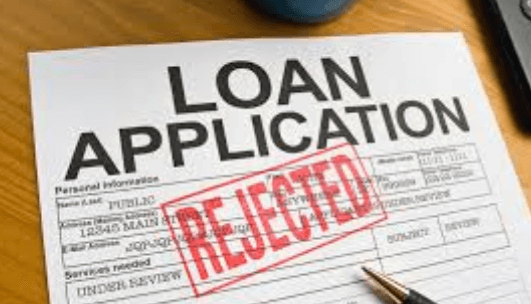
Why was my guarantor declined?
If you have made an application for a guarantor loan, but have found that it has been declined because of the guarantor you chose, you may be left wondering exactly why this has ended up happening. Furthermore, you may also be concerned that this means that you can't go forward with applying for this type of credit, however, that isn't necessarily the case. We take a look at the main
Read MoreWhy is APR used to measure guarantor loans?
APR plays an important role when it comes to measuring loans, or in fact, most financial products that are available on the market across the world. But what exactly does it mean for this particular kind of loan, and what do you need to know about it. We explain why it is significant in the loan industry. What is APR? The acronym APR refers to Annual Percentage Rate. This is a
Read MoreWhat makes a good guarantor loan customer?
If you are considering getting a guarantor loan to help you in difficult financial circumstances (a common scenario if you are looking to gain access to credit, but are struggling to get access to one because of your own financial history in the past, as securing one through the help of a guarantor gives you a greater chance of being accepted), you may be wondering what criteria loan providers will
Read MoreAre guarantor loans safe?
Are you considering getting a guarantor loan? Perhaps you are in a situation in which getting a typical loan from a mainstream provider proves considerably difficult. This can especially be the case if you have a history of bad credit (for example, you have CCJs or IVAs on your file, bankruptcy or a number of missed repayments for credit you have access to) all of which can contribute to you
Read More